Book Appointment Now

- On
- InPost
Chronic Halitosis (Bad Breath)
Causes, Cures, and When to See Your Dentist

Having persistent bad breath or medically known as Chronic Halitosis, is more than just an inconvenience; it can be a source of constant embarrassment and anxiety. While occasional bad breath is normal, if you find yourself constantly reaching for gum or mouthwash with no lasting relief, the cause is often an underlying issue that needs professional attention.
At LE Dental Clinic in Imus City – Cavite, we understand that finding the root cause of halitosis requires more than masking the smell. As experts in oral health, we are here to provide the definitive diagnosis and solution.
Here is your comprehensive guide to the causes of chronic halitosis, the best home care cures, and when it’s time to schedule a professional consultation.
Top 5 Causes of Chronic Halitosis
The overwhelming majority of chronic bad breath cases (around 80-90%) originate right in the mouth. It usually stems from the activity of odor-producing bacteria that release foul-smelling gases called Volatile Sulfur Compounds (VSCs).
Here are the most common sources of these VSCs:
Tongue Biofilm & Poor Oral Hygiene
This is the number one cause. Bacteria, food debris, and dead cells build up into a thick film on the back of the tongue. This film is the perfect environment for bacteria to multiply and release VSCs, causing that distinct, unpleasant smell. Skipping flossing or tongue cleaning allows this process to continue unchecked.

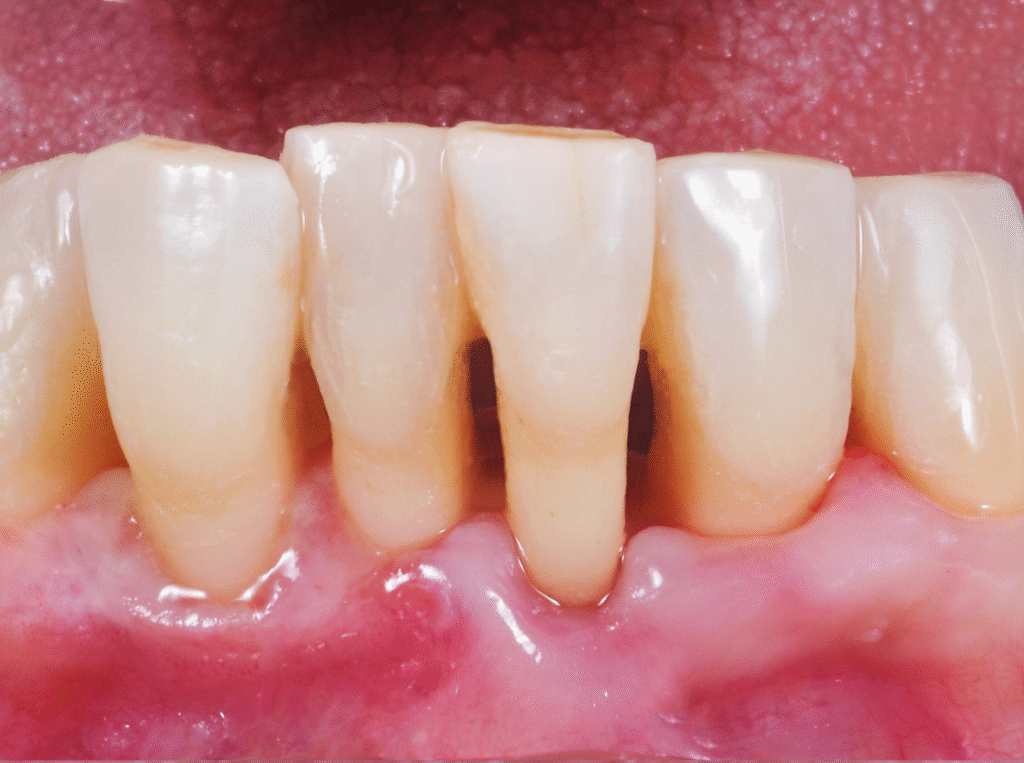
Periodontal (Gum) Disease
When plaque and tartar are not removed, they lead to gingivitis and more advanced periodontitis (gum disease). This condition creates deep, inflamed pockets between the gums and teeth that become chronic traps for bacteria and, in severe cases, pus. The discharge and bacteria in these pockets are a significant source of foul odor, which often cannot be fixed with brushing alone.
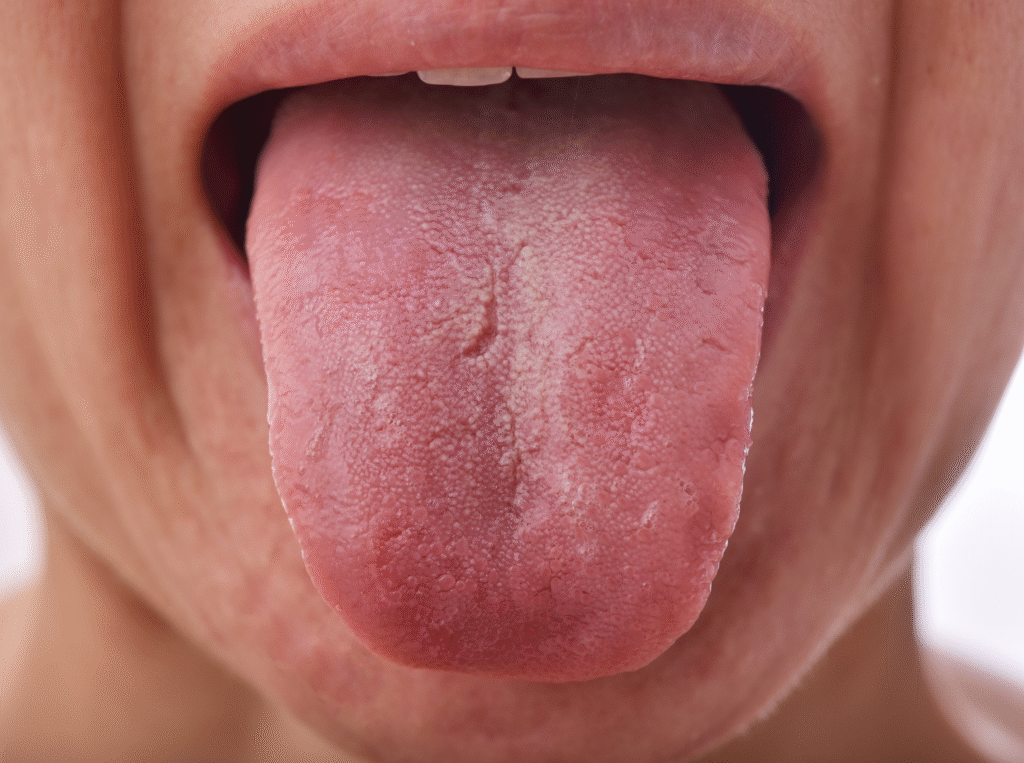
Dry Mouth (Xerostomia)
Saliva is your body’s natural mouthwash. It constantly washes away food particles, dead cells, and neutralizing VSCs. If you have dry mouth (Xerostomia), whether due to certain medications, medical conditions (like diabetes), or sleeping with your mouth open, the lack of saliva allows bacteria to flourish rapidly, leading to constant bad breath.
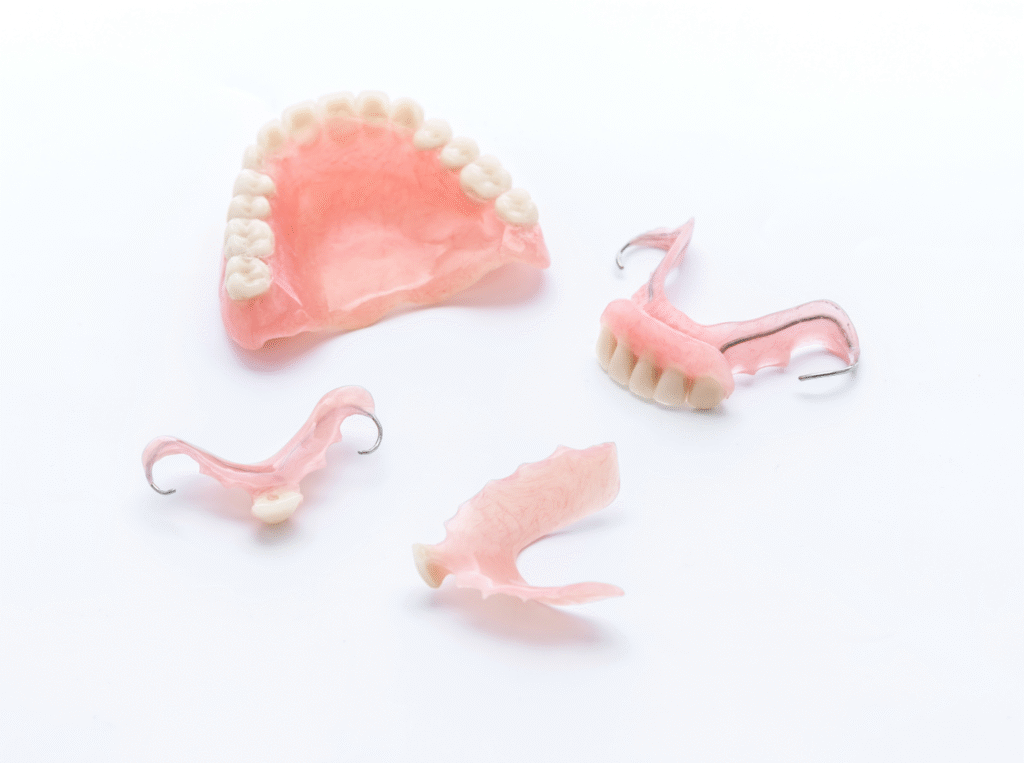
Poorly Fitting Dental Accessories
Old dental accessories can be a hidden trap. Ill-fitting crowns, cracked fillings, bridges, or dentures that are not cleaned properly can create tiny ledges or spaces where food and bacteria lodge. These areas are impossible to clean with a standard toothbrush, leading to decay and chronic halitosis.
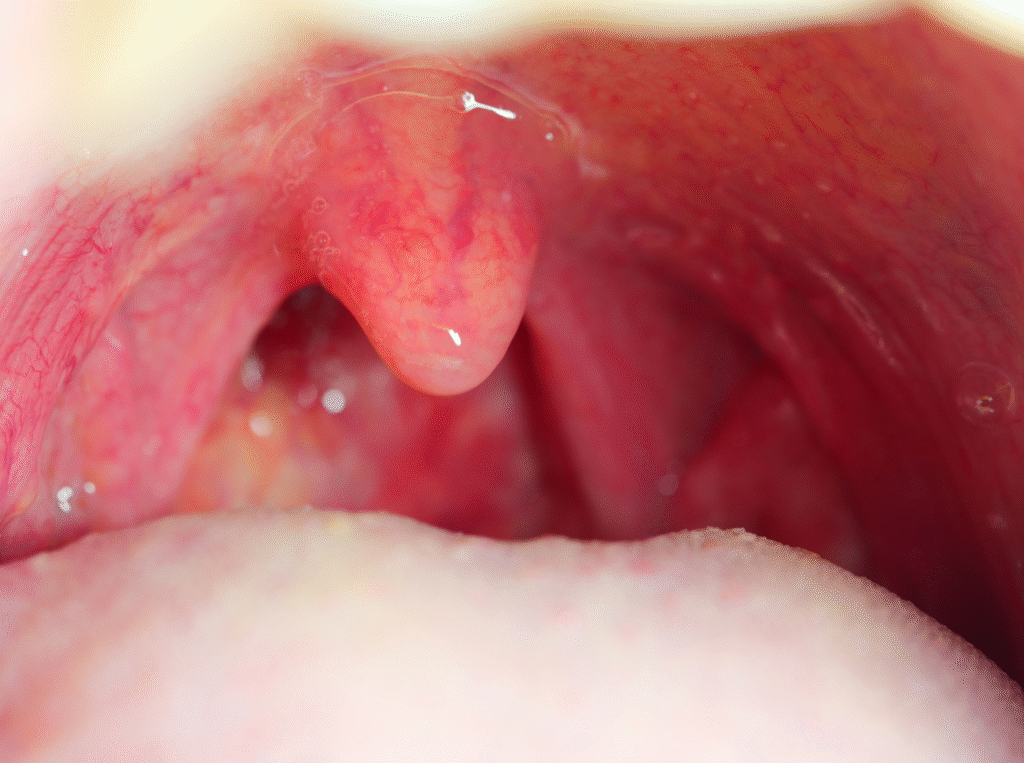
Non-Dental (Extra-Oral) Issues
Though less common, chronic bad breath can be a symptom of a health issue outside the mouth. These can include:
– Tonsil Stones (Tonsilloliths): Hard, bacteria-covered deposits in the tonsils.
– Sinus Infections: Post-nasal drip carries foul-smelling mucus down the throat.
– Gastroesophageal Reflux Disease (GERD): Stomach acids rising up the esophagus can bring odors into the mouth.
Dentist-Approved Cures
If your bad breath is chronic, the solution involves upgrading your daily routine and possibly addressing underlying dental conditions. Here’s the step-by-step plan:
Upgrade Your Home Hygiene Arsenal
- Floss Every Day, Without Fail: Brushing only cleans 60% of the tooth surface. Flossing removes the rotting food debris from between the teeth and under the gumline where VSCs start.
- Use a Tongue Scraper: This is far more effective than a toothbrush at lifting the thick bacterial film off the back of the tongue. Do this every time you brush.
- Brush for Two Minutes, Twice a Day: Use a fluoride toothpaste and ensure you cover all surfaces, especially near the gumline.
Focus on Saliva Flow & Hydration
- Drink Water Constantly: Hydration is key to fighting dry mouth. Aim to sip water throughout the day.
- Avoid Dehydrators: Cut back on alcohol, excessive caffeine, and tobacco products, as all of these drastically reduce saliva production.
- Chew Sugar-Free Gum: This stimulates saliva flow, helping to wash away VSCs, without promoting tooth decay.
Use Therapeutic Mouthwash
- Look for non-alcoholic mouthwashes that contain Zinc or Chlorhexidine. These ingredients are active agents designed to neutralize the Volatile Sulfur Compounds (VSCs), rather than just using fragrance to mask them. A temporary minty smell doesn’t fix chronic halitosis; these therapeutic rinses treat the cause.
When to Call the Dentist and Getting a Professional Diagnosis
If you have committed to a rigorous oral hygiene routine (flossing daily, scraping your tongue, drinking more water) for two weeks and your chronic halitosis has not improved, it is time to schedule a professional appointment.